Shipping Container Home Cost

How Much Does a Shipping Container Home Cost? Real Price Ranges Explained

Quick Answer: Typical Cost Ranges

If you’re searching for a straightforward answer, here’s a general framework based on project scope:

  • Basic single-container tiny home: Lower end of the budget spectrum, suited for minimalist living
  • Mid-range 2–3 container home: A moderate step up, offering separate living zones
  • Larger 4+ container custom home: The highest investment, often including multiple stories and premium finishes

These ranges shift significantly based on your region, labor costs, and how much of the work is outsourced versus DIY.

Cost Per Square Foot Explained: Shipping Container Home Cost

One of the most useful ways to compare container homes to traditional construction is cost per square foot. Container homes often come in lower than conventional builds for basic designs, primarily due to reduced material waste and faster labor time. However, once insulation, custom windows, and high-end finishes are added, the per-square-foot cost can climb close to (or even match) traditional construction — especially for smaller footprints, where fixed costs like plumbing and electrical work aren’t spread across as much space.

What’s Included in the Base Container Price: Shipping Container Home Cost

When you purchase the container itself, you’re typically paying for:

  • The steel structure and existing floor
  • Original doors and locking mechanisms
  • The container’s current condition grade (new, one trip, or used)

Importantly, this base price does not include any conversion work — insulation, wiring, plumbing, and interior finishes are separate costs layered on top.

What’s Usually Extra: Shipping Container Home Cost

Beyond the container purchase, expect additional costs for:

  • Foundation and site preparation
  • Insulation and interior wall finishing
  • Electrical wiring and lighting
  • Plumbing (if including a kitchen or bathroom)
  • Window and door cutouts with structural reinforcement
  • Delivery and crane placement, particularly for multi-container builds

DIY vs. Professional Build Costs: Shipping Container Home Cost

  • DIY approach: Handling tasks like painting, basic interior finishing, or simple furnishing yourself can meaningfully reduce costs, but structural, electrical, and plumbing work should always be left to licensed professionals for safety and compliance.
  • Fully professional build: Hiring contractors for the entire project increases costs but reduces risk, speeds up completion, and often results in a higher-quality, code-compliant finish — particularly important if you plan to live in the home long-term or eventually sell it.

Hidden Costs First-Time Buyers Often Miss: Shipping Container Home Cost

Several costs catch first-time buyers off guard:

  • Delivery and crane fees – Especially for tricky access sites or multi-container placements
  • Permit and inspection fees – Vary widely by location and project scope
  • Utility connection costs – Bringing power, water, and sewage to a new site can be costly
  • Structural reinforcement – Required whenever large openings are cut into the steel walls
  • Ongoing maintenance – Rust prevention and repainting over the home’s lifespan

Budgeting for these upfront prevents unpleasant surprises mid-project.

How to Get an Accurate Quote: Shipping Container Home Cost

Because so many variables affect final cost, the best way to get a realistic number is to request a detailed quote based on:

  • Number and size of containers needed
  • Desired condition (new, one trip, or used)
  • Your specific design plan, including window/door cutouts
  • Site location and access conditions
  • Level of finish (basic, mid-range, or premium)

Get an Accurate Cost Estimate for Your Container Home

While ballpark figures are useful for early planning, the most reliable way to budget for your shipping container home is a personalized quote based on your exact design and location.

Ready to find out what your shipping container home project will really cost? Contact our team today for a free, no-obligation quote, or browse our range of new and one trip shipping containers ideal for residential builds.
Shipping Container Maintenance

Shipping Container Maintenance: A Complete Guide to Keeping Your Unit in Top Condition

Why Regular Maintenance Matters

Shipping containers are built from durable corten steel and designed to withstand years of outdoor use, but like any structure exposed to the elements, they benefit significantly from regular maintenance. A well-maintained container not only lasts longer but also retains its value, function, and appearance — whether it’s being used for storage, a business space, or a converted living area. This guide covers every area of container maintenance so you can keep your unit performing at its best for years to come.

Exterior Maintenance: Shipping Container Maintenance

The exterior is your container’s first line of defense against weather and corrosion. Regular exterior maintenance should include:

  • Washing away dirt, grime, and salt residue with mild detergent and water
  • Inspecting for scratches, chips, or bare metal spots where paint has worn away
  • Checking corners, welds, and the base for early signs of rust
  • Repainting every few years, or sooner if wear becomes visible, to maintain a strong protective barrier

Containers located near the coast require more frequent exterior cleaning, as salt air significantly accelerates corrosion.

Interior Maintenance: Shipping Container Maintenance

While less exposed to the elements, the interior still requires periodic attention, particularly if the container is used for storage or has been converted into a workspace:

  • Check for condensation buildup, which can lead to mold or interior rust over time
  • Ensure ventilation is adequate, especially in fully enclosed storage units
  • Inspect flooring for damage, warping, or moisture penetration
  • Clean and organize regularly to spot early signs of pest activity or leaks

Door and Hardware Maintenance: Shipping Container Maintenance

Doors, hinges, and locking mechanisms are common points of wear if left unmaintained. Keep them in good working order by:

  • Lubricating hinges and locking bars regularly to prevent stiffness or rust
  • Checking rubber door seals for cracking, gaps, or wear that could compromise weatherproofing
  • Replacing worn seals or hardware promptly to maintain full security and protection
  • Testing locks periodically to ensure they continue functioning smoothly

Roof Maintenance: Shipping Container Maintenance

The roof takes on significant weather exposure and deserves special attention:

  • Check regularly for pooling water, which can accelerate rust if left unaddressed
  • Inspect for dents or damage that could compromise water resistance
  • Consider additional protective roof coatings in particularly harsh climates
  • Ensure surrounding drainage directs water away from the container’s base

Seasonal Maintenance Considerations: Shipping Container Maintenance

Different seasons bring different maintenance priorities:

  • Spring/Summer: Check for UV-related paint fading and address any winter damage
  • Fall: Clear debris from the roof and surrounding area before winter weather sets in
  • Winter: Monitor for snow buildup on the roof and check for ice-related door sticking

Adjusting your maintenance routine to the seasons helps you stay ahead of weather-related wear.

Signs Your Container Needs Professional Attention

While routine maintenance can be handled by most owners, certain issues warrant professional assessment:

  • Widespread or deep rust affecting structural panels
  • Significant dents or damage to load-bearing areas
  • Persistent water leaks despite seal replacement
  • Visible warping or structural shifting

Addressing these issues early with professional help can prevent more costly repairs or replacement down the line.

Maintenance Checklist and Schedule: Shipping Container Maintenance

For easy reference, here’s a simple maintenance schedule to follow:

  • Every 3–6 months: Visual inspection of exterior, roof, and door hardware
  • 1–2 times per year: Full exterior cleaning (more often in coastal areas)
  • Every 3–5 years: Repaint exterior surfaces, or sooner if wear is visible
  • Annually: Test and lubricate locks, hinges, and seals

Keep Your Shipping Container in Top Condition: Shipping Container Maintenance

Consistent, proactive maintenance is the key to getting the most value and lifespan out of your shipping container, regardless of how it’s being used. A small, regular time investment protects against costly repairs and keeps your unit secure, weatherproof, and functional for years to come.

Need expert advice on maintaining your container, or looking for a durable new unit? Contact our team today for guidance, or browse our full range of new, one trip, and used shipping containers.

first time buyer shipping container

Shipping Container Guide for First-Time Buyers

Why First-Time Buyers Need a Guide: first time buyer shipping container

Buying a shipping container for the first time involves more decisions than most people expect — size, condition, grading, delivery, and site access all play a role in getting the right unit for your needs. This guide walks first-time buyers through every step of the process, helping you avoid common mistakes and make a confident, informed purchase.

Step 1 – Define Your Purpose: first time buyer shipping container

Before browsing any listings, get clear on what you actually need the container for. Common purposes include:

  • Simple storage for tools, stock, or equipment
  • A conversion project, such as a home office, workshop, or pop-up shop
  • Long-term business storage or a short-term, temporary need

Your intended use shapes almost every decision that follows, from size to condition to whether buying or renting makes more sense.

Step 2 – Choose the Right Size: first time buyer shipping container

Shipping containers commonly come in 8ft, 10ft, 20ft, and 40ft lengths.

  • 8ft–10ft units suit compact storage or small conversion projects
  • 20ft containers are a popular mid-size option for storage or medium conversions
  • 40ft containers work best for large-scale storage or multi-room builds

Measure your available space carefully, including delivery truck access, before settling on a size.

Step 3 – Understand Container Grades: first time buyer shipping container

Shipping containers are typically sold in several condition grades:

  • One Trip – Used only once, near-new condition
  • Cargo-Worthy (CW) – Structurally sound with minor cosmetic wear, still shipping-certified
  • Wind and Watertight (WWT) – Fully sealed but more visible wear, no longer certified for shipping
  • As-Is – Sold in current condition, most affordable, often needs repair

Understanding these grades helps first-time buyers avoid overpaying for “new” condition when a used unit would work just as well — or underestimating the condition of a budget container.

Step 4 – New, One Trip, or Used?

This decision usually comes down to appearance versus budget:

  • Choose new or one trip if the container will be visible to customers, converted into a living or working space, or if you want maximum lifespan.
  • Choose used (CW or WWT) if it’s purely for storage and cosmetic condition isn’t a priority.

Step 5 – Check Site Access and Regulations: first time buyer shipping container

Before finalizing your purchase, confirm:

  • Can a delivery truck access and maneuver into your desired location?
  • Is the ground level and stable enough to support the container’s weight?
  • Do you need council or landlord permission for placement, especially for permanent installations?

Skipping this step is one of the most common and costly first-time buyer mistakes.

Step 6 – Questions to Ask Your Supplier: first time buyer shipping container

When speaking with a supplier, it’s worth asking:

  • What grading system do you use, and can I see actual photos or an inspection report?
  • Are the doors, locks, and seals fully functional?
  • Is the flooring free of damage or chemical treatment concerns?
  • What’s included in the price — delivery, placement, or additional fees?

Step 7 – Understand Delivery Logistics: first time buyer shipping container

Once you’ve chosen your container, confirm delivery details with your supplier, including:

  • Delivery timeframe and lead times
  • Site access requirements, such as truck size and turning space
  • Placement assistance, if needed
  • Any additional delivery charges based on distance or site difficulty

Step 8 – Plan for Customization: first time buyer shipping container

If you’re planning a conversion or need extra functionality, think ahead about:

  • Insulation and climate control
  • Electrical wiring and lighting
  • Additional doors, windows, or vents
  • Shelving, racking, or custom paint

Planning these in advance, even if completed after delivery, helps you budget accurately and avoid delays.

Buy Your First Shipping Container With Confidence: first time buyer shipping container

Buying your first shipping container doesn’t need to be complicated. By defining your purpose, choosing the right size and condition, and asking the right questions upfront, you can make a confident, informed purchase that fits your needs and budget.

Ready to buy your first shipping container? Browse our full range of new, one trip, and used shipping containers, or contact our team today for a free, no-obligation quote and expert advice tailored to first-time buyers.

Business storage container for sale

Business Storage Container for Sale

Overview: Business Storage Container for Sale

Looking for a business storage container for sale? Whether you’re a contractor, retailer, or growing small business, a shipping container offers a secure, cost-effective way to store tools, stock, or equipment right on-site. Built from heavy-duty corten steel, our business storage containers are engineered to withstand harsh weather, resist rust, and provide reliable, long-term storage — all without the ongoing cost of renting off-site warehouse space.

Built for Security and Durability: Business storage container for sale

Every business storage container we sell features a fully welded steel frame, corrugated side panels, and a weatherproof roof designed to keep your stock and equipment completely dry, regardless of the season. Double cargo doors come fitted with secure locking bars and lockbox protection, giving you confidence that valuable inventory, tools, or documents are protected from theft and damage. For extra peace of mind, many businesses choose to add supplementary padlocks, alarm systems, or security cages.

Why Businesses Choose Storage Containers: Business storage container for sale

Compared to traditional warehouse rental or off-site storage units, a shipping container offers several clear advantages for business owners:

  • On-site convenience – No travel time to access inventory or equipment
  • Lower costs – Avoid ongoing rental fees for external storage facilities
  • Full ownership – A one-time purchase rather than a recurring expense
  • Scalability – Add additional units as your storage needs grow
  • Fast setup – Ready to use almost immediately after delivery, with no lengthy lease agreements

Common Business Uses: Business storage container for sale

A business storage container for sale is a practical solution across a wide range of industries, including:

  • Construction companies securing tools, machinery, and materials on-site
  • Retailers storing seasonal stock or excess inventory
  • Landscaping and trade businesses keeping equipment secure between jobs
  • Restaurants and hospitality venues using containers for dry or overflow storage
  • Event companies storing staging, furniture, or equipment between bookings
  • Manufacturers using containers as an affordable extension of existing warehouse space

New, One Trip, or Used — Which Should You Choose?

We offer business storage containers in a range of conditions to suit every budget:

  • New/One Trip Containers – Near-pristine condition, ideal for businesses that want maximum lifespan and a clean, professional appearance for customer-facing sites.
  • Cargo-Worthy (Used) Containers – Structurally sound with minor cosmetic wear, offering excellent value for everyday storage needs.
  • Wind and Watertight Containers – Fully sealed against the elements at a more budget-friendly price point, ideal for basic tool or stock storage.

Customization Options: Business storage container for sale

Need more than a basic storage box? Our business storage containers can be modified to fit your operational needs, including:

  • Shelving and racking systems for organized inventory
  • Insulation and climate control for temperature-sensitive stock
  • Electrical wiring and lighting for evening or indoor access
  • Additional doors, windows, or vents
  • Custom paint and branding to match your business identity

Fast, Reliable Delivery: Business storage container for sale

Once you’ve selected your container, our logistics team ensures fast, careful delivery straight to your business premises or job site. We deliver nationwide and can advise on site access requirements ahead of time, minimizing disruption to your operations.

Buy Your Business Storage Container Today:Business Storage Container for Sale

A shipping container offers businesses a secure, scalable, and cost-effective alternative to traditional storage rental. Whether you need a compact unit for tools and stock, or a larger container for bulk inventory, we have the right size and condition to match your budget and operational needs.

Contact our team today for a free, no-obligation quote and find the right business storage container for sale to support your operations. Business Storage Container for Sale. Contact us for more

how to build a shipping container office

How to Build a Shipping Container Office

Why Build a Shipping Container Office?

Learning how to build a shipping container office is one of the smartest ways to create a dedicated, professional workspace without the cost and disruption of a traditional home extension. Containers are strong, weatherproof, and quick to convert — making them a genuinely practical alternative for remote workers, freelancers, and small business owners who need a private space to focus. Beyond affordability, a container office gives you a fully separate structure, helping create a clear boundary between work and home life.

Step 1 – Choose the Right Container: how to build a shipping container office

The first step in building a shipping container office is selecting the right unit. An 8ft or 10ft container is ideal for a single-person office, while a 20ft container offers more room for meetings, storage, or a larger creative setup. For the best results, choose a new or one trip container — the near-pristine walls and flooring make the conversion process faster, cleaner, and more cost-effective than starting with a heavily used unit.

Step 2 – Plan the Layout: how to build a shipping container office

Before any construction begins, sketch out exactly how the space will function. Think through desk and seating placement, storage needs like shelving or filing cabinets, where natural light should enter, and where power outlets will be positioned. Careful planning at this stage prevents costly changes later and ensures even a compact 8ft or 10ft unit is used efficiently.

Step 3 – Insulate for Year-Round Comfort: how to build a shipping container office

Steel conducts heat and cold quickly, so proper insulation is essential for a comfortable, usable office. Spray foam insulation offers the best thermal performance and fills gaps completely, while rigid foam board is a more budget-friendly alternative that’s easy to install. Wool or fiber insulation is a solid eco-friendly option as well. Whichever method you choose, this step is critical to making the space usable in both summer and winter.

Step 4 – Add Windows and Ventilation: how to build a shipping container office

Natural light and airflow make a major difference in a compact workspace. Most container office builds include one or more professionally reinforced windows, a glass or French door for a bright entrance, and vents or a small extractor fan to keep air circulating, particularly during warmer months.

Step 5 – Install Electrical Wiring: how to build a shipping container office

A functional office needs reliable electricity for computers, lighting, and any heating or cooling systems. This step should always be handled by a licensed electrician and typically includes power outlets, interior and exterior lighting, wiring for climate control, and data or internet cabling if you want a hardwired connection.

Step 6 – Finish the Interior: how to build a shipping container office

Once insulation, windows, and wiring are complete, it’s time to finish the interior. This usually involves installing wall paneling or plasterboard over the insulation, adding flooring such as laminate, vinyl, or carpet tiles, painting the walls, and fitting shelving or desks according to your layout plan.

Step 7 – Add Climate Control: how to build a shipping container office

Depending on your local climate, a mini-split air conditioning and heating unit, or a simple electric heater and fan setup, will keep your container office comfortable throughout the year — an important final touch for a space you’ll be using daily.

Build Your Shipping Container Office Today: how to build a shipping container office

With the right container, proper insulation, and thoughtful design, building a shipping container office is a fast, affordable way to create dedicated workspace at home. Contact our team today for a free, no-obligation quote and expert advice on the right container for your office build.

8ft vs 10ft vs 20ft vs 40ft shipping container

8ft vs 10ft vs 20ft vs 40ft Shipping Container: Which Size Do You Need?

Choosing between an 8ft, 10ft, 20ft, or 40ft shipping container is one of the most important decisions you’ll make when buying — and getting it right from the start saves you money, hassle, and wasted space. Here’s a straightforward, side-by-side comparison to help you choose the perfect size for your project.

Quick Overview: What Each Size Is Best For

SizeIdeal ForSpace Level
8ftCompact storage, tight spacesSmallest
10ftModerate storage, small workspacesSmall-Medium
20ftSerious storage, conversionsMedium-Large
40ftLarge-scale projects, multi-room buildsLargest

8ft Shipping Container: 8ft vs 10ft vs 20ft vs 40ft shipping container

The smallest standard option, the 8ft container is compact, easy to position, and ideal for buyers with limited space.

Best suited for: 8ft vs 10ft vs 20ft vs 40ft shipping container

  • Small garden or driveway storage
  • Compact tool and equipment site boxes
  • Mini kiosks or pop-up retail stands
  • Small hobby or workshop spaces

Its size makes it easy to transport and place in tight or restricted-access areas where larger units won’t fit — a major advantage for smaller properties or job sites.

10ft Shipping Container: 8ft vs 10ft vs 20ft vs 40ft shipping container

A step up from the 8ft option, the 10ft container offers noticeably more usable space while still being compact and manageable.

Best suited for: 8ft vs 10ft vs 20ft vs 40ft shipping container

  • Home or backyard storage
  • Small business stock or equipment storage
  • Compact studios or workshops
  • Site offices for smaller construction projects

It’s a popular “in-between” choice for buyers who need more room than an 8ft unit but don’t want the footprint of a full 20ft container.

20ft Shipping Container: 8ft vs 10ft vs 20ft vs 40ft shipping container

One of the most widely used sizes, the 20ft container offers a substantial jump in space while remaining practical to deliver and position on most properties.

Best suited for: 8ft vs 10ft vs 20ft vs 40ft shipping container

  • Full-size storage for larger volumes of stock or equipment
  • Single-room home offices, studios, or granny flats
  • Retail shops, cafés, or bars
  • Construction site offices with room for multiple desks

Many buyers consider this the “sweet spot” size — large enough for serious storage or conversion projects, but still manageable to transport and place.

40ft Shipping Container: 8ft vs 10ft vs 20ft vs 40ft shipping container

The largest standard size, the 40ft container doubles the length of the 20ft unit and is also available in a “high cube” variant with extra height for even more usable volume.

Best suited for: 8ft vs 10ft vs 20ft vs 40ft shipping container

  • Large-scale warehousing or bulk storage
  • Multi-room container homes
  • Large retail or restaurant spaces
  • Combined or stacked builds for commercial or residential developments

Because of its size, a 40ft container requires more careful planning for delivery access and site placement.

Side-by-Side Comparison

Factor8ft10ft20ft40ft
SpaceMinimalModerateGenerousMaximum
Delivery EaseVery easyEasyModerateRequires planning
Typical CostLowestLow-MidMidHighest
Best ForTight spacesSmall projectsConversions & storageLarge-scale builds

How to Decide Which Size Is Right for You

Ask yourself:

  1. How much space do I actually need? Be realistic — oversized containers cost more to buy and deliver.
  2. What’s my site access like? Larger containers need more room for delivery trucks to maneuver.
  3. Is this for storage or a conversion? Living or working spaces generally need more room than simple storage.
  4. What’s my budget? Larger sizes mean higher upfront and delivery costs.
  5. Will my needs grow? If you’re likely to need more space later, it may be worth sizing up now.

Final Thoughts: 8ft vs 10ft vs 20ft vs 40ft shipping container

There’s no universally “best” size — only the size that matches your space, budget, and intended use. Whether it’s a compact 8ft unit for simple storage or a 40ft container for a large-scale conversion, understanding these differences ensures you choose the right container the first time.

Still not sure which size fits your project? Browse our full range of 8ft, 10ft, 20ft, and 40ft shipping containers, or contact our team today for a free, no-obligation quote and expert advice tailored to your needs.

shipping container ideas and uses

Shipping Container Ideas and Uses: A Complete Guide

Shipping containers have become one of the most flexible building materials available today, prized for their strength, affordability, and endless adaptability. Whether you’re a homeowner looking for extra storage, a business owner exploring a unique retail space, or someone dreaming of a full container home, there’s likely a container idea to match your needs. Here’s a complete breakdown of the most popular and practical uses.

Storage Solutions: shipping container ideas and uses

The most common and straightforward use for a shipping container is secure storage. Weatherproof and lockable straight out of the box, containers are ideal for:

  • Tools and equipment on a job site
  • Seasonal items, furniture, or garden equipment at home
  • Excess stock or inventory for small businesses
  • Documents and archives requiring secure, dry storage

No renovation is required — simply place the unit and start using it.

Workspaces and Offices: shipping container ideas and uses

With some insulation, electrical wiring, and a window or two, a container can be transformed into a functional, private workspace. Popular workspace conversions include:

  • Backyard home offices for remote workers
  • Art or craft studios
  • Music practice rooms or recording spaces
  • On-site offices for construction and trade businesses

Retail and Hospitality Spaces: shipping container ideas and uses

Containers have become a favorite among small business owners for their compact size and industrial-chic appeal. Common ideas include:

  • Pop-up shops for markets, festivals, or seasonal retail
  • Coffee kiosks and food stalls
  • Small cafés with outdoor seating
  • Branded showroom spaces for product launches

Residential Conversions: shipping container ideas and uses

One of the most ambitious — and increasingly popular — uses is turning containers into livable space. Options range from:

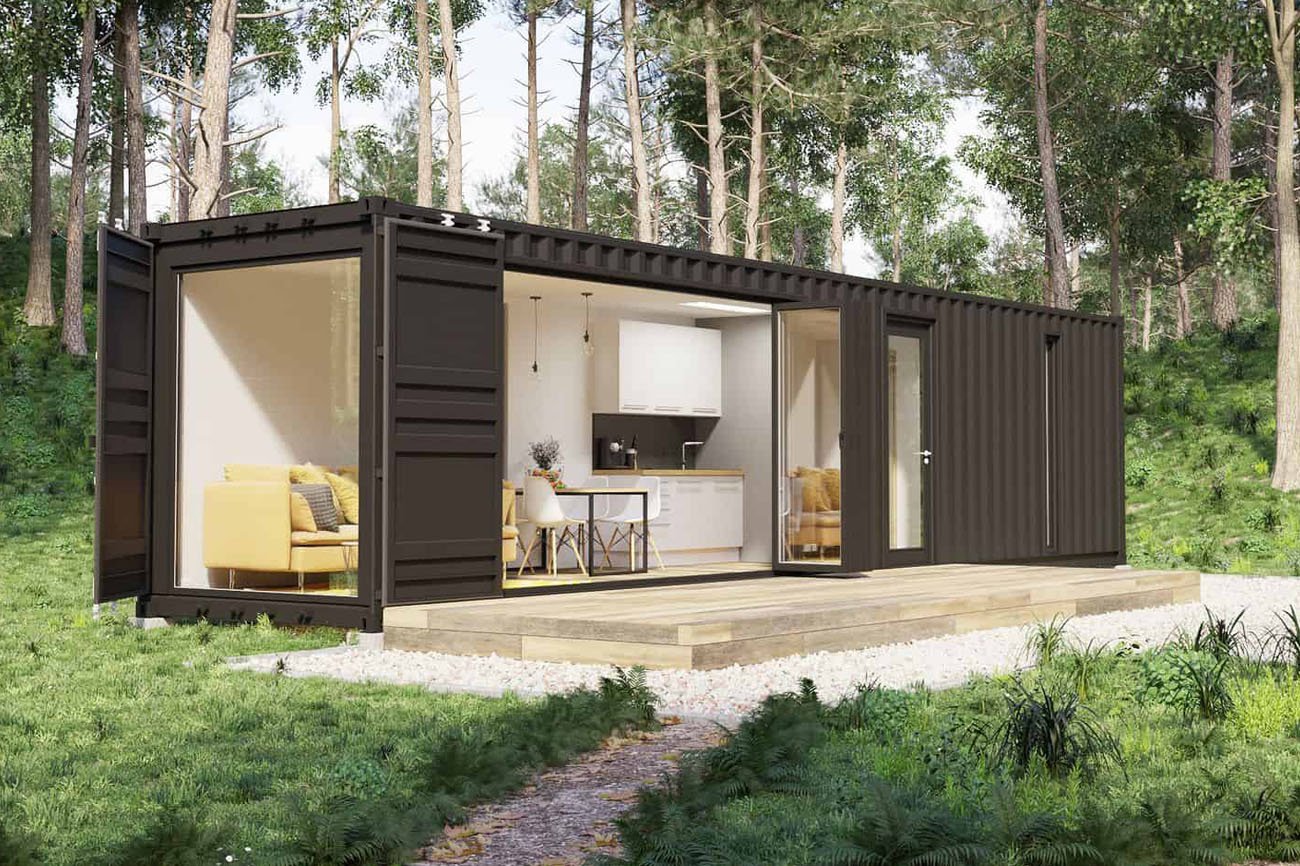
  • Single-unit tiny homes for minimalist or off-grid living
  • Multi-container homes, combining several units for a larger footprint
  • Backyard granny flats or guest suites
  • Container-based vacation rentals or glamping units

Recreational and Lifestyle Uses: shipping container ideas and uses

Beyond practical applications, containers are also being used for lifestyle upgrades, such as:

  • Backyard swimming pools, fitted with proper lining and finishing
  • Home gyms or fitness studios
  • Man caves, she sheds, or entertainment rooms
  • Outdoor bars or garden lounges

Community and Emergency Applications

On a larger scale, shipping containers are playing a growing role in public and humanitarian projects:

  • Emergency housing and disaster relief shelters
  • Pop-up classrooms and educational spaces
  • Community centers and youth spaces
  • Medical clinics in remote or underserved areas

Choosing the Right Container for Your Idea

Once you’ve found an idea that fits your needs, the next step is selecting the right container:

  • Size: 8ft and 10ft units are great for compact projects like offices or storage; 20ft and 40ft units suit larger builds like homes or multi-room workshops.
  • Condition: New or one trip containers offer the best appearance and longevity — ideal for visible, customer-facing projects. Used containers (cargo-worthy, wind and watertight, or as-is) are more budget-friendly and well-suited to storage or utility purposes.

Why Shipping Containers Work So Well

  • Durability – Corten steel construction is built to withstand years of outdoor exposure
  • Affordability – Generally more cost-effective than traditional construction
  • Modularity – Easy to combine, stack, or expand as your project grows
  • Speed – Conversions are typically much faster than ground-up builds
  • Sustainability – Giving retired containers a second life reduces waste

Final Thoughts: shipping container ideas and uses

From simple storage to full residential builds, shipping container ideas span an incredibly wide range of budgets, styles, and purposes. The key to a successful project is matching your idea to the right container size and condition from the start.

Ready to bring your shipping container idea to life? Browse our full range of new, one trip, and used shipping containers, or contact our team today for a free, no-obligation quote and expert advice tailored to your project.

what can you do with a shipping container

What Can You Do With a Shipping Container? 10 Practical and Creative Ideas

If you’ve ever wondered “what can you do with a shipping container,” the honest answer is: almost anything. Thanks to their strength, size, and modular shape, shipping containers have moved far beyond cargo transport and into homes, businesses, and creative spaces around the world. Whether you’re considering a purchase or just exploring the possibilities, here’s a practical rundown of what you can actually do with one.

1. Turn It Into Secure Storage: what can you do with a shipping container

The simplest and most popular use. A shipping container makes a weatherproof, lockable storage solution for tools, equipment, stock, or seasonal belongings — whether at home, on a job site, or at a business premises. No renovation required, just drop it, lock it, and use it.

2. Build a Home Office or Studio: what can you do with a shipping container

Add insulation, electrical wiring, and a window or two, and a container becomes a quiet, separate workspace in your backyard — ideal for remote work, a creative studio, or a private retreat away from household distractions.

3. Create a Pop-Up Retail Shop: what can you do with a shipping container

Shipping containers make compact, cost-effective storefronts for markets, festivals, and temporary retail spaces. Their industrial-chic look has become genuinely popular with boutique brands and food vendors looking to stand out.

4. Build a Container Home: what can you do with a shipping container

One of the best-known conversions. A single container can become a compact tiny home, or multiple units can be combined and stacked for a larger, multi-room house — often faster and more affordable than traditional construction.

5. Install a Backyard Swimming Pool: what can you do with a shipping container

With the right lining and finishing, a shipping container can be converted into a stylish, ready-made pool — often quicker to install than a traditional in-ground option.

6. Set Up a Workshop: what can you do with a shipping container

For tradespeople and hobbyists, a container makes an excellent secure, weatherproof workshop. Add shelving, benches, insulation, and power, and you’ve got a dedicated space for woodworking, mechanics, or craft projects.

7. Provide Emergency or Relief Housing: what can you do with a shipping container

Durable and quick to deploy, containers are increasingly used for temporary emergency housing and disaster relief shelters, offering secure accommodation exactly when it’s needed.

8. Open a Café or Food Stall: what can you do with a shipping container

With a serving window, counter, and outdoor seating, a container can become a fully functional café or food stall — a compact, characterful alternative to a traditional bricks-and-mortar setup.

9. Use It as a Site Office: what can you do with a shipping container

A practical, no-frills option for contractors: fit out a container with a desk, lighting, and climate control for a secure, functional on-site office during construction projects.

10. Create Community or Educational Spaces

From pop-up classrooms to youth centers, containers are being used to build accessible, low-cost public spaces — especially useful in areas where traditional construction is too costly or time-consuming.

Why Shipping Containers Are So Versatile

  • Durability – Corten steel construction stands up to years of outdoor use
  • Affordability – Generally cheaper than traditional building methods
  • Modularity – Combine, stack, or expand units as your needs grow
  • Speed – Conversions are typically faster than ground-up builds
  • Sustainability – Repurposing containers reduces waste and extends their usable life

Final Thoughts: what can you do with a shipping container

Whether you need simple storage or you’re dreaming up a full container home, the possibilities really are wide open. The right starting point is choosing the correct size and condition — new, one trip, or used — based on your project and budget.

one trip shipping container meaning

One Trip Shipping Container: Meaning, Benefits, and What to Expect

If you’ve come across the term “one trip shipping container” while researching your purchase, you’re probably wondering exactly what it means — and whether it’s the right choice for your storage or conversion project. Here’s a complete breakdown.

What Does “One Trip” Mean? one trip shipping container meaning

A one trip shipping container is a unit that has completed only a single international cargo journey — typically from the factory where it was manufactured (often in Asia) to its first port of arrival — before being sold on the domestic market instead of being put back into further shipping service.

In simple terms: it’s technically “used,” but only once. Because of this single journey, a one trip container looks and performs almost exactly like a brand-new unit, without the premium price tag of a truly factory-new container.

What Condition Can You Expect? one trip shipping container meaning

Since a one trip container has only been loaded, transported, and unloaded a single time, you can typically expect:

  • Minimal wear or scuffing
  • Fully intact factory paintwork
  • No dents, rust, or structural damage
  • Pristine flooring and fully functional door seals
  • Near-new overall appearance

This makes one trip containers the closest option to “new” without paying full factory-new pricing.

Why Buyers Choose One Trip Containers

One trip containers strike a strong balance between cost and quality, making them popular for:

  • Home and business conversions — offices, studios, pop-up shops, or garden rooms where appearance matters
  • Long-term storage — buyers who want maximum lifespan and minimal maintenance
  • Resale or branding purposes — businesses that want a clean, professional-looking unit for custom paint or branding
  • First-time buyers — those who want peace of mind without researching complex used-container grading systems

One Trip vs. Other Container Grades

To put it in context, here’s how “one trip” compares to other common grades:

  • One Trip – Near-new condition, used only once, premium appearance
  • Cargo-Worthy (CW) – Still shipping-certified, some cosmetic wear, more affordable
  • Wind and Watertight (WWT) – Fully sealed but more visible wear, budget-friendly for storage
  • As-Is – Sold in current condition, lowest cost, often needs repair or renovation

If appearance and longevity are priorities but you don’t want to pay full new-build pricing, one trip is typically the sweet spot.

Things to Confirm Before You Buy: one trip shipping container meaning

Even with a one trip container, it’s smart to ask your supplier:

  • Can I see recent photos of the actual unit (not stock images)?
  • Are the doors, locks, and seals in full working order?
  • Is the floor free of any damage or treatment concerns?
  • What’s included in delivery and site placement?

Final Thoughts: one trip shipping container meaning

A one trip shipping container gives you the best of both worlds: near-new quality and appearance, at a more accessible price than a fully new-build unit. Whether you’re planning a conversion project, need long-term storage, or simply want a container that looks great from day one, “one trip” is often the ideal choice.

New vs Used Shipping Container: Which One Is Right for You?

new vs used shipping container , If you’re in the market for a shipping container, one of the first decisions you’ll face is whether to buy new or used. Both options have distinct advantages, and the right choice ultimately depends on your budget, intended use, and how important cosmetic appearance is to you. In this guide, we’ll break down the key differences to help you make a confident, informed decision.

Understanding “New” Shipping Containers: new vs used shipping container

When people refer to a “new” shipping container, they usually mean either a factory-new unit or a one trip container — one that has completed only a single international cargo journey before being sold domestically. Because it’s been used just once, a one trip container looks and performs almost identically to a factory-fresh unit, with minimal wear, intact paintwork, and no dents or structural issues.

Pros of buying new: new vs used shipping container

  • Pristine, like-new cosmetic condition
  • Maximum lifespan and structural integrity
  • Ideal for visible or customer-facing projects (shops, offices, branded storage)
  • Fewer maintenance concerns in the short term

Cons of buying new:new vs used shipping container

  • Higher upfront cost compared to used units
  • May take longer to source, depending on availability

Understanding “Used” Shipping Containers: new vs used shipping container

Used containers have typically completed multiple cargo journeys over several years before being retired from active shipping service. They’re graded based on condition, with common categories including:

  • Cargo-Worthy (CW): Structurally sound and still suitable for shipping, with minor cosmetic wear.
  • Wind and Watertight (WWT): Fully sealed against the elements but with more visible wear; ideal for storage purposes.
  • As-Is: The most affordable option, sold in current condition — best for buyers planning renovations or who don’t mind visible wear.

Pros of buying used: new vs used shipping container

  • Significantly lower cost
  • Still structurally reliable when properly graded and inspected
  • Great for storage, job sites, or projects where appearance isn’t a priority
  • Often available with faster local turnaround

Cons of buying used: new vs used shipping container

  • Visible dents, rust spots, or faded paint (depending on grade)
  • Shorter remaining lifespan compared to new or one trip units
  • May require additional maintenance or repairs over time

Which One Should You Choose? new vs used shipping container

The right choice really comes down to how you plan to use the container and what matters most to you: budget or appearance.

Choose new (or one trip) if: new vs used shipping container

  • You’re building a customer-facing space, like a shop, office, or showroom
  • You want the longest possible lifespan
  • Appearance and branding matter for your project
  • You’re converting the container into a home, studio, or living space

Choose used if: new vs used shipping container

  • You need functional, secure storage without cosmetic concerns
  • You’re working with a tighter budget
  • The container will be used for tools, equipment, or materials on a job site
  • You’re comfortable with (or plan to renovate) some wear and tear

A Few Questions to Ask Before You Buy: new vs used shipping container

Regardless of new or used, it’s worth asking your supplier:

  • What grading system do you use, and can I see photos or inspection reports?
  • Are the doors, locks, and seals fully functional?
  • Is the floor free from damage, warping, or chemical treatment concerns?
  • What’s included in delivery, and do you offer support with site placement?

Final Thoughts: new vs used shipping container

There’s no universally “right” answer between new and used shipping containers — only the right answer for your specific project, budget, and timeline. If long-term durability and pristine condition are priorities, a new or one trip container is worth the investment. If you need a reliable, budget-friendly solution for storage or site use, a well-graded used container can serve you just as effectively for years to come.